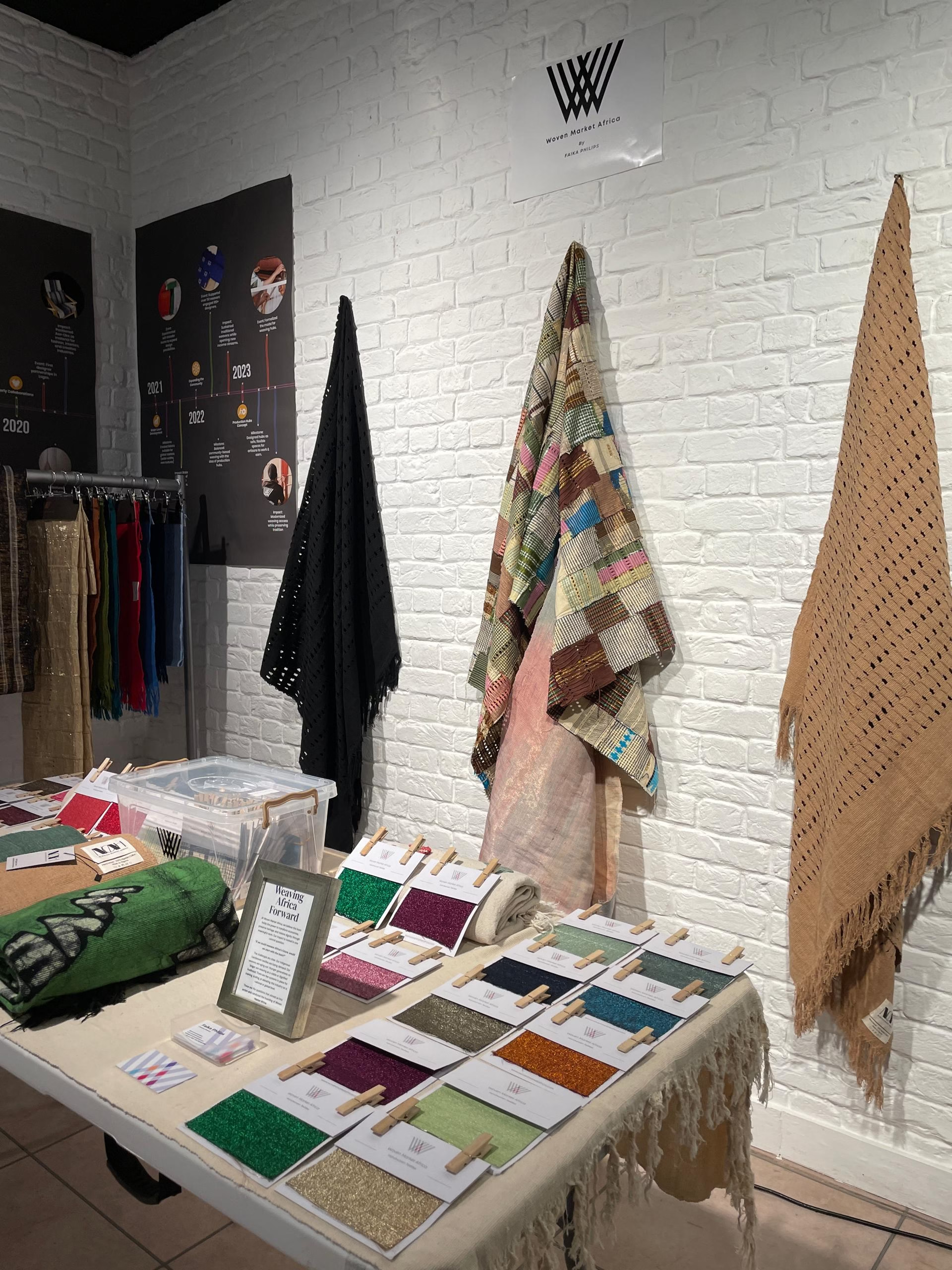
Woven Market Africa did not begin with a grand plan to build an institution or transform an industry.
It began with a search in Nigeria.
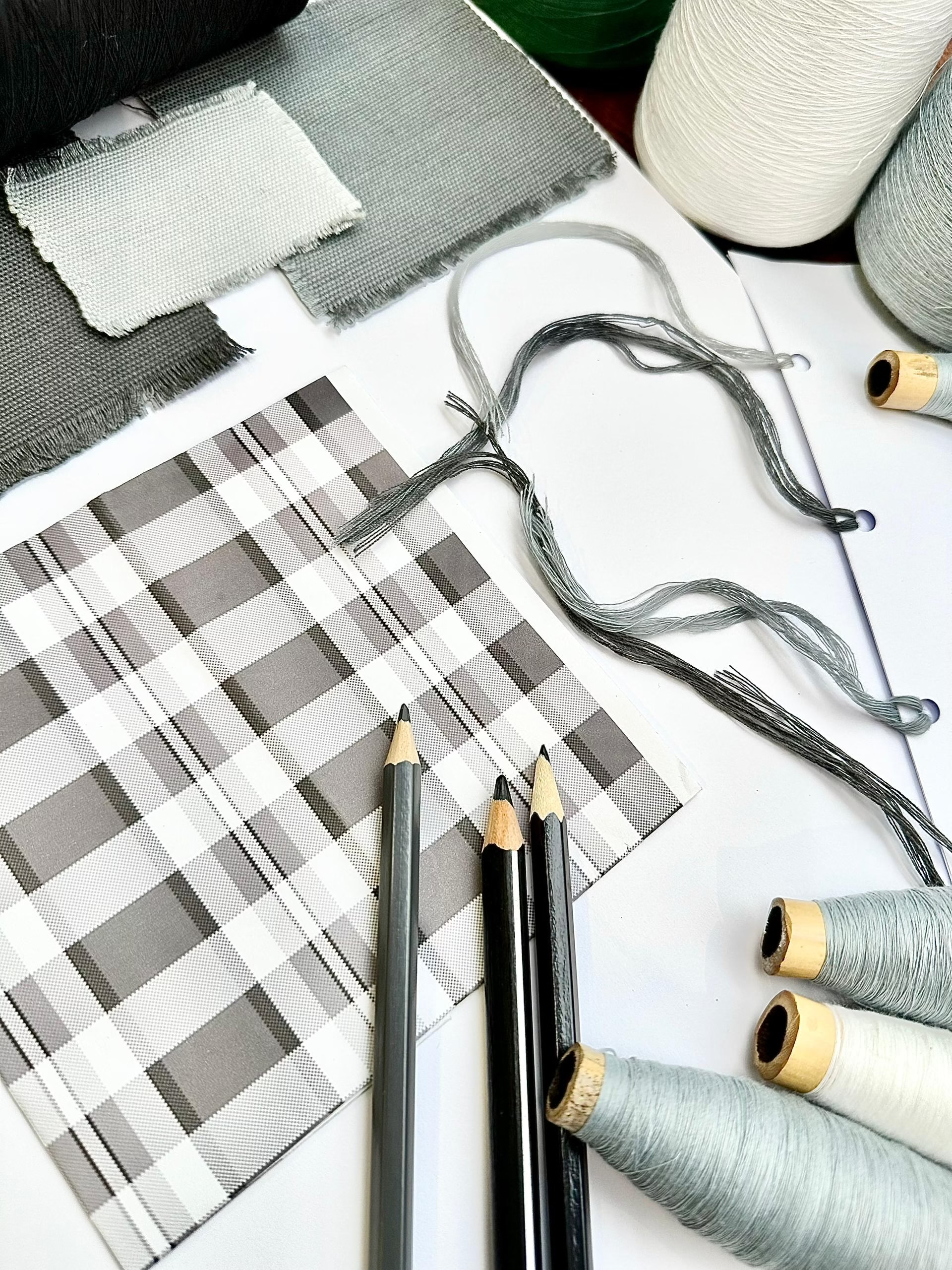
We started from sourcing for quality fabric and, in the process, encountered handwoven fabric, popularly known as Aso Oke, as a practical option for the kind of expression we were exploring.
However, there were often limitations in colour consistency, texture precision, and the ability to achieve specific creative combinations. What existed largely reflected fixed variations rather than fully controlled creative direction.
In contrast to these limitations, handwoven production allows for more intentional adaptation. Because it is produced locally and within shorter cycles, it enables quicker iteration and purposeful development guided by creative direction.
We eventually achieved the kind of fabric we were looking for, and the project was a success. In that experience, it became clear that others also needed more intentional, purpose-driven textile development. From there, we continued in that direction.
We began working closely with designers and stylists, developing textiles that responded directly to their creative requirements.
This led us to introduce a more flexible production approach for handwoven textiles.
Unlike conventional textile mills, we work through a direct and adaptive process where ideas move from concept to sampling and into production within shorter cycles.
This allows designers and stylists to develop multiple samples within days, compare and select preferred options, and refine details in real time while producing specific quantities.
As this work expanded, it became clear that consistent creative production also creates meaningful economic opportunity for artisans.
This realization shaped our direction further.
What began as a search for quality fabric in Nigeria evolved into a broader mission: to create the ecosystem around handwoven textile craftsmanship, connecting creation and production while preserving the knowledge embedded within the craft.
Today, Woven Market Africa operates at the intersection of artisan craftsmanship and commerce. We work with designers and brands and are building the institutional structures needed to ensure that handwoven textile heritage can thrive as a living and evolving industry.
Our journey continues to grow, but the purpose remains clear.
To bring knowledge and craftsmanship to life through handwoven textiles, and to ensure they are not only preserved, but able to flourish.